-
When older people in Cedarburg, WI have healthy family relationships, they feel emotionally safe, get practical help, and have steady company, all of which are good for their physical and mental health. Respectfully sharing responsibilities and staying committed through life's changes, seniors are less likely to be lonely, confused, or have serious health problems.
There's something special about the bond between family members. It's more than just good feelings. According to Betesh-Abay B et al., those who lacked family support after being diagnosed with a heart issue didn't live as long as those who had support.
It's clear that healthy family relationships lead to better healthcare outcomes.
For seniors here in Cedarburg, WI, the senior-family connection is especially important as it helps protect against cognitive decline and isolation.
What are the 5 Characteristics of Healthy Family Relationships
According to Thomas et al., a healthy family dynamic can improve physical, emotional, and cognitive well-being. There are five aspects to a healthy family, so let's look at each of them in turn.
Open Respectful Communication
In toxic family dynamics, issues are left to simmer and go unaddressed. Without the emotional enrichment and catharsis that come from open communication, even small disagreements can balloon into serious drama.
Sometimes, poor communication goes beyond ignoring problems, and families may:
- Interrupt each other.
- Mock what people say.
- Try and make people feel ashamed.
But in families where people address problems directly, it creates a healthy family dynamic where people can depend on each other.
Emotional Support
According to Wu et al., in positive family communication, people demonstrate love through kind words and actions. Emotional support means being there for people during key moments in life. For example, the following situations often require strong emotional support:
- When someone is feeling stressed.
- During periods of significant grief.
- After a significant life change.
When people know everyone has their back, and they won't face difficult things alone, it makes it easier to deal with life's challenges, including cognitive decline.
Healthy Boundaries
While it's important to have warm, open communication, it's also important for families to set healthy boundaries. It's important to be honest, but that doesn't mean people aren't entitled to their own opinions.
Those caring for seniors in cognitive decline should help guide them, but they shouldn't control every aspect of their lives. Good memory support is all about respecting the individual and maintaining independence where possible.
Shared Responsibility
Another key characteristic of healthy family relationships is shared responsibility. When everyone contributes in ways that match their abilities, it reduces resentment and helps people feel like part of a team.
This is especially important in households where seniors need extra support or care. For example, families might share responsibility in the following ways:
- Dividing household tasks so that no one person is overwhelmed by cooking, cleaning, or errands.
- Sharing caregiving duties for an older adult, such as taking turns with appointments, rides, or check-in calls.
- Involving seniors in decisions that affect them, even if someone else handles the paperwork or logistics.
When responsibility is shared fairly, it lowers stress for caregivers and helps the older adult feel included rather than like a burden, which is better for both mood and long-term cognitive health.
Commitment and Stability
Healthy families also show a steady commitment to one another over time. This does not mean relationships are perfect, but it does mean people keep showing up, even when things are difficult. Commitment and stability often look like:
- Keeping promises as much as possible, and offering an apology if things don't work out.
- Maintaining regular contact through visits, calls, or messages so that seniors feel secure and not forgotten.
- Providing a calm, predictable environment where routines are clear and sudden changes are explained and discussed.
This kind of stability helps older adults feel safe and grounded, which can reduce anxiety and confusion and create a more supportive environment for maintaining cognitive wellbeing.
Frequently Asked Questions
Why Are Strong Family Bonds So Important for Loved Ones Living with Memory Loss?
When a senior is living with memory loss, supportive family bonds can provide the emotional stability they need to feel more grounded and less agitated. When seniors regularly see and hear from the people they love, it provides a tangible anchor to the past.
That sense of continuity and connection helps them hold onto who they are, even as specific memories start getting harder to recall. These close connections also make it easier for families to notice small changes in mood or memory early, so they can seek help before problems escalate.
What Are Some Signs That Someone Needs Memory Care?
So what are some of the signs a loved one might need to transition into a memory care community? Here are some of the most common signs you should look out for:
- Forgetfulness that puts your loved one at risk, such as leaving the stove on.
- Confusion about what time it is, or losing track of time.
- Being confused about where they are, sometimes in very familiar places.
- Changes in behavior or personality, for example, they might get more agitated or paranoid.
- More frequent emergencies, such as falls or wandering, may sometimes require 911 calls.
- Caregivers are experiencing burnout or exhaustion because of how much of supervision and support needed.
While seniors with minor cognitive impairment could live in an assisted living community, those in a later stage of decline require the specialist support and dementia prevention habits that only a senior living community can provide.
Discover a Supportive Community
Healthy family relationships give Cedarburg seniors emotional safety and connection that protect physical and cognitive health. When relatives communicate openly and empathetically and stay committed, seniors feel less lonely and overwhelmed. If memory problems are progressing, combining family involvement with memory care can keep loved ones safer.
Unlock thousands in savings every year with our Special Veterans Program discount at LakeHouse Cedarburg. It's our way of honoring veterans by making it simple to find worry-free senior living.
To find out how this program could work for your family, contact LakeHouse Cedarburg today.
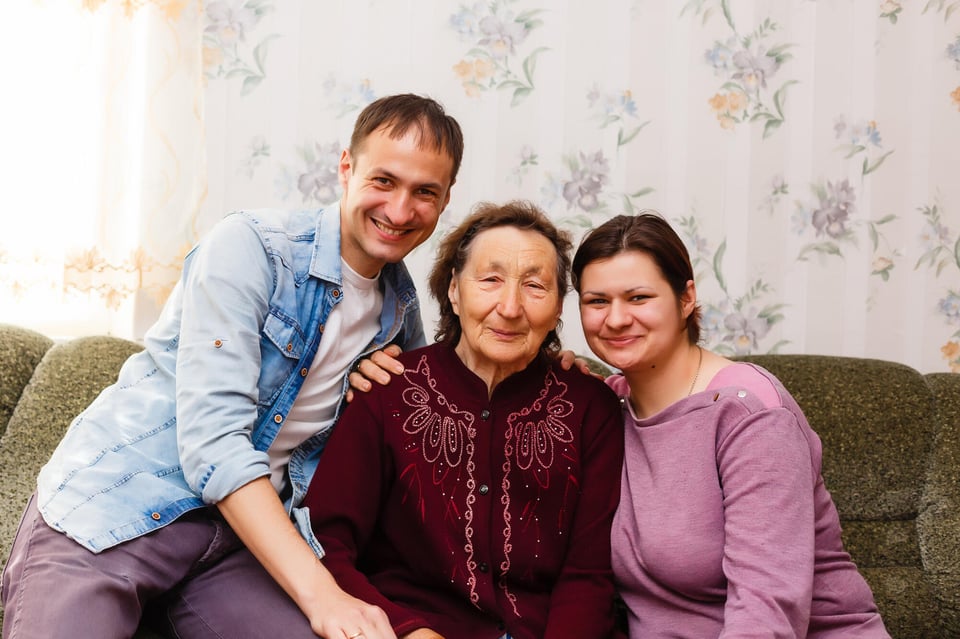
Healthy family relationships play a key role in cognitive health by helping seniors feel emotionally grounded and mentally engaged.
Share