-
Low fiber foods are recommended for older adults only in specific, short-term situations, most often to ease digestive strain during illness, recovery, or medical treatment. They are not a standard part of healthy aging, but they can play an important role when comfort and symptom control matter most.
Nearly 40% of Americans have stopped routine activities in the last year due to uncomfortable bowel symptoms, according to the American Gastroenterological Association. That number explains why digestion quickly becomes a quality-of-life issue.
In Cedarburg, a community known for walkable streets, local festivals, and staying active year-round, digestive discomfort can quietly limit daily enjoyment. Understanding when low fiber foods are helpful, and when they're not, helps families make informed choices around aging and diet, comfort, and daily living.
Why Is Fiber Usually Important for Older Adults?
Fiber plays a steady, supportive role in senior digestion. It helps move waste through the system and keeps the bowel functioning more or less on schedule.
Adults over 50 usually need about 30 grams of fiber per day for men and 21 grams for women. This target often supports heart health, gut function, and blood sugar control, all of which can shift during aging and diet changes.
A high-fiber diet, when tolerated, tends to help older adults avoid straining during bowel movements. It may also reduce cholesterol levels, lower blood pressure, and help regulate blood sugar, which is useful for those managing type 2 diabetes.
Fiber also feeds the beneficial bacteria in the gut, which helps maintain balance in the digestive system. That balance affects immunity, mood, and how well nutrients are absorbed from food.
When Would Low Fiber Foods Be Recommended?
Although fiber supports overall health, there are times when the digestive system needs a break. During these periods, fiber may worsen symptoms or slow recovery.
A low-fiber, or low-residue diet, typically limits total daily fiber intake to under 10-13 grams. It's meant to reduce bowel activity, ease cramping, and prevent further irritation.
Doctors sometimes recommend low fiber during or after:
- Diverticulitis flare-ups occur when inflammation in the colon makes fiber painful to digest
- Bowel obstructions or narrowing, such as from scar tissue or tumors
- Colonoscopy prep, where reducing stool volume makes the bowel easier to clean
- Recovery from bowel surgery, when soft, low fiber foods are less taxing on healing tissue
- IBD flare-ups, like Crohn's disease or ulcerative colitis, especially if fiber worsens diarrhea
- Chemotherapy or radiation, which may irritate the gut and reduce its tolerance for roughage
What Does A Low-Fiber Diet Look Like?
Low-fiber diets usually focus on gentle foods for older adults. These are soft, low-residue choices that are easier to digest and less likely to irritate the gut.
Often allowed on a low-fiber diet:
- White bread, plain bagels, or low-fiber cereal
- White rice, pasta, or well-cooked noodles
- Canned or well-cooked vegetables without skins or seeds
- Soft fruits like bananas, canned peaches, or seedless melon
- Tender meat, eggs, tofu, or dairy products like yogurt and milk
Fiber-rich foods tend to increase bulk in the bowel, which can worsen pain or delay healing. So, meals that avoid rough textures, seeds, and skins are usually more comfortable during a low-fiber phase.
Foods often avoided:
- Whole grains like oats, bran, or brown rice
- Raw vegetables, especially those with skins or seeds
- Legumes such as lentils, beans, or chickpeas
- Nuts, seeds, popcorn, and dried fruits
Short-Term Relief Vs. Long-Term Health
Low-fiber diets are usually short-term. Once symptoms improve, providers often recommend slowly reintroducing fiber into meals.
Over time, staying on a low-fiber diet without a medical reason may increase the risk of constipation. It can also raise the chance of cardiovascular problems, since fiber helps control cholesterol and blood pressure.
Reintroducing fiber requires a step-by-step approach. For instance, someone might try adding one new high-fiber food every few days while checking for discomfort.
Some simple ways to ease fiber back into a routine include:
- Add soft, cooked vegetables before switching to raw
- Start with half servings of whole grains
- Include fruit without skins first, then progress to whole pieces
- Sip water throughout the day to help fiber move through
Gradual changes, done with support, tend to work better than making big adjustments overnight.
Supporting Digestive Health At A Senior Living Community
Managing diet changes can be frustrating without support. At a senior living community, nutrition support in aging is more accessible and less stressful.
At LakeHouse Cedarburg, care staff build individual care plans that reflect dietary needs, whether short-term or long-term. Meals are prepared in a homestyle kitchen, so residents dealing with sensitive digestion can enjoy comfort foods without giving up flavor or nutrition.
Our community also offers:
- Social dining to keep mealtimes engaging
- Wellness programs that include food and nutrition support
- A peaceful environment, including a private courtyard, can help reduce stress that may affect digestion
Frequently Asked Questions
Can You Still Get Enough Nutrients On A Low-Fiber Diet?
Yes, though it requires planning. Soft proteins like eggs, milk, and tender meat provide essential nutrients. White grains add calories and energy. Sometimes supplements are used, but only with medical supervision.
What Signs Suggest Fiber Should Be Reintroduced?
When diarrhea, cramping, or pain lessen, that's often a sign the bowel is healing. Slowly adding fiber, one food at a time, allows people to test what their body can handle.
Should Everyone Over 65 Be On A Low-Fiber Diet?
No. Most older adults benefit from fiber. It keeps things regular, helps control weight, and protects heart health. Only people with specific issues should cut fiber.
How Does A Senior Living Community Help With Diet Changes Like This?
Meal prep and care coordination happen together. At LakeHouse Cedarburg, teams meet regularly to review diet needs and adjust menus. Residents don't have to track symptoms or cook on their own.
Supporting Digestive Comfort With the Right Nutrition
Low fiber foods can be an important part of senior nutrition in the right situations, helping manage symptoms, support recovery, and keep mealtimes comfortable when needed. These diets are usually temporary and best guided by healthcare professionals.
At LakeHouse Cedarburg, residents benefit from personalized care plans, thoughtfully prepared meals, and a warm, pet-friendly community just minutes from Cedarburg's historic downtown. Our engaged lifestyle programming, private courtyard, and attentive support make daily living easier when dietary needs change.
Schedule a tour today and see how our Cedarburg community supports health, comfort, and connection.
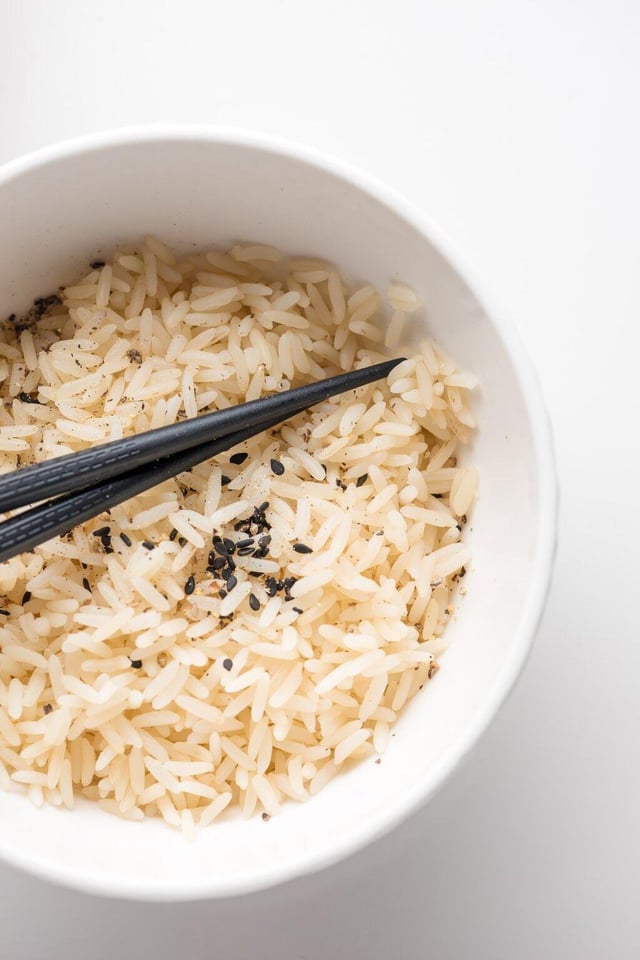
Low fiber foods may support digestive comfort in certain cases. Learn when and why they’re used in a senior nutrition plan.
Share